Unlock the secret to bakery-quality pies with this foolproof Homemade Pie Crust Recipe. Forget the store-bought stuff; this recipe delivers a perfectly flaky, buttery, and tender crust every single time. It’s the only guide you’ll ever need to master this essential baking skill, giving you the perfect foundation for all your favorite sweet and savory pies. Whether you’re a seasoned baker or just starting, you’re in the right place.
Why This is the Only Homemade Pie Crust Recipe You’ll Ever Need
So many recipes over-complicate the process, but we’re focused on a simple technique that yields reliable, delicious results. This all-butter crust is rich in flavor and has a tender, flaky texture that’s simply irresistible. We’ve packed this guide with step-by-step photos, essential tips, and troubleshooting advice to ensure your success. This recipe is more than just instructions; it’s a masterclass in creating the perfect pie dough from scratch.
This crust is incredibly versatile, making it the perfect base for everything from a classic apple pie to a savory Caramelized Onion Tart. It’s a game-changer for any home cook.
The Secret to Flaky Pie Crust: Key Ingredients
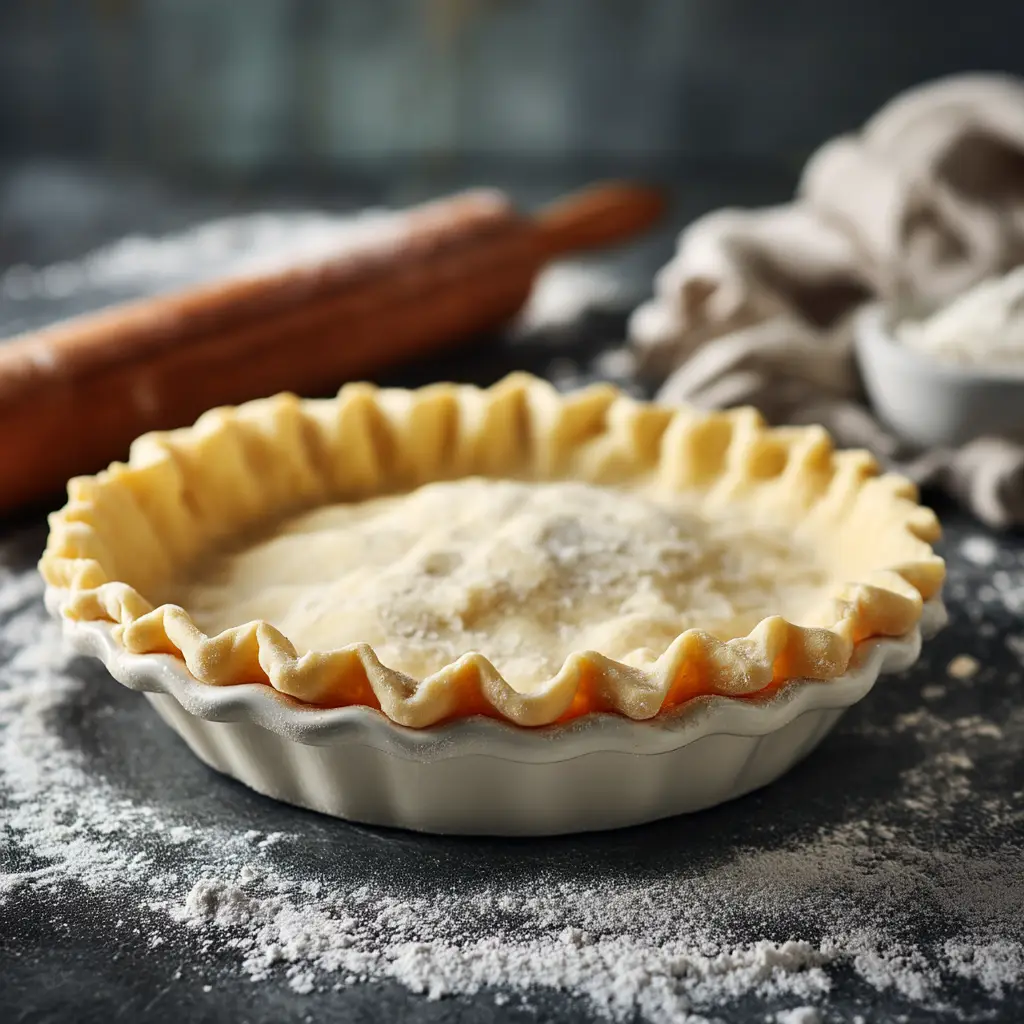
The magic of a great pie crust lies in simple, high-quality ingredients. There are no secret additives here, just pure, wholesome goodness that comes together to create something spectacular.
- All-Purpose Flour: The foundation of our crust, providing structure. Be sure to measure it correctly by spooning it into your measuring cup and leveling it off.
- Unsalted Butter: This is where the flavor and flakiness come from. It must be very cold, cut into small cubes. The small pockets of butter will melt during baking, creating steam that separates the dough into delicate layers.
- Ice Water: The key to keeping the butter solid and preventing gluten from overdeveloping. Using just enough to bring the dough together is crucial for a tender crust.
- Salt: Enhances the buttery flavor of the crust.
- Optional: Sugar: A small amount can be added for a hint of sweetness in dessert pies, but it’s not necessary for savory dishes.
Essential Equipment for Perfect Pie Dough
You don’t need a lot of fancy equipment to make this homemade pie crust recipe, but a few key tools will make the process much smoother.
- Food Processor or Pastry Blender: While you can use your hands, a food processor or pastry blender makes cutting the butter into the flour much faster and more effective.
- Rolling Pin: A classic wooden or marble rolling pin is essential for rolling out the dough evenly.
- Mixing Bowl: A large bowl to combine your ingredients.
- Plastic Wrap: For chilling the dough, which is a non-negotiable step!
How to Make Homemade Pie Crust: A Step-by-Step Guide
Follow these steps carefully for a perfect crust. The key is to work quickly and keep your ingredients as cold as possible.
Step 1: Combine Dry Ingredients
In the bowl of a food processor, add the flour, salt, and sugar (if using). Pulse a few times to combine everything evenly.
Step 2: Cut in the Fat
Add the cold, cubed butter to the food processor. Pulse in short bursts, about 8-10 times, until the butter is the size of small peas. Don’t overmix; those visible butter pieces are essential for a flaky crust.
Step 3: Add the Liquid
Sprinkle the ice water over the flour mixture, one tablespoon at a time. Pulse once or twice after each addition. Stop as soon as the dough begins to come together in large clumps. It should still look a bit shaggy.
Step 4: Chill the Dough
Turn the dough out onto a clean surface and gently press it into a disk. Do not knead it. Wrap the disk tightly in plastic wrap and refrigerate for at least 1 hour, or up to 2 days. This step is crucial for relaxing the gluten and firming up the butter.
Step 5: Roll and Shape
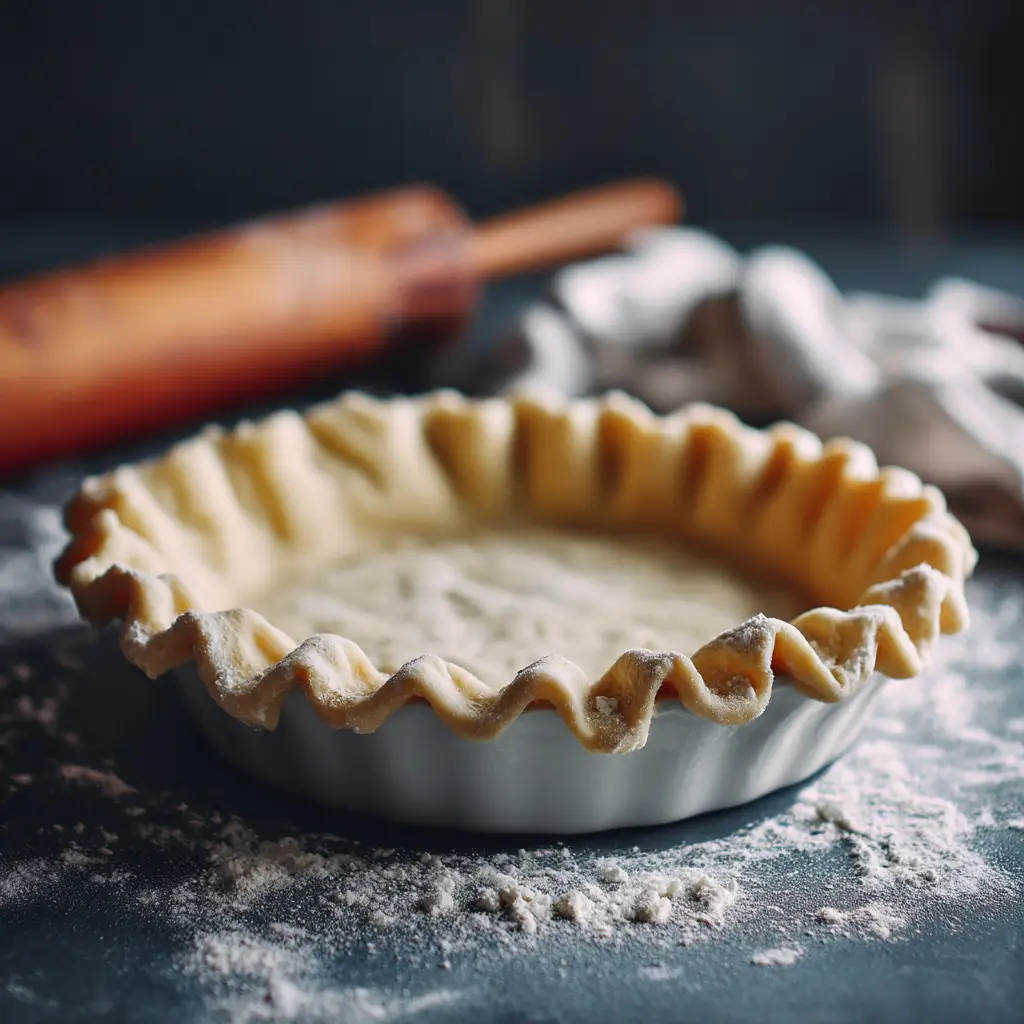
On a lightly floured surface, roll the chilled dough into a circle about 12 inches in diameter. Carefully transfer it to your pie plate. Trim the edges, leaving about an inch of overhang, then tuck the overhang under and crimp the edges as desired.
Tips for the Best Homemade Pie Crust Recipe
Mastering this recipe is easy with a few expert tips. Keep these in mind for perfect results every time.
- Keep It Cold: Your butter and water must be ice cold. This is the number one rule for a flaky crust. If your kitchen is warm, you can even chill your flour and mixing bowl.
- Don’t Overwork the Dough: Overworking develops gluten, which leads to a tough, chewy crust instead of a tender, flaky one. Handle the dough as little as possible.
- Rest the Dough: Chilling the dough is not an optional step! It allows the gluten to relax and the fat to solidify, which prevents shrinking and makes the dough easier to roll out. For more dessert inspiration, check out our delicious Strawberry Pound Cake.
Troubleshooting Common Pie Crust Problems
Even the best bakers run into issues sometimes. Here’s how to fix the most common pie crust challenges.
- Tough Crust: This is usually caused by overworking the dough or adding too much water. Be gentle and use just enough water to bring it together.
- Soggy Bottom: To prevent this, blind-bake your crust partially or fully before adding wet fillings. You can also brush the bottom with a beaten egg white to create a moisture barrier.
- Shrinking Crust: If your crust shrinks in the pan, it likely needed to chill longer. Let the dough rest in the fridge for at least an hour before rolling it out. For a delicious savory filling idea, try this Chicken Pot Pie Orzo.
Storing and Freezing Your Pie Dough
This homemade pie crust recipe is perfect for making ahead. You can store the raw dough disk, tightly wrapped in plastic, in the refrigerator for up to 2 days. For longer storage, freeze it for up to 3 months. Thaw it in the refrigerator overnight before rolling it out. You can also freeze the rolled-out crust in the pie plate.
Yes, this dough is perfect for making ahead. You can refrigerate the dough disks, tightly wrapped, for up to 2 days. For longer storage, you can freeze the dough for up to 3 months. Thaw overnight in the refrigerator before using.
Absolutely! You can use a pastry blender or two knives to cut the cold butter into the flour. You can also use your fingertips, working quickly to rub the butter into the flour until it resembles coarse crumbs with pea-sized pieces remaining.
To prevent a soggy bottom, it’s recommended to ‘blind bake’ the crust before adding a wet filling. Prick the bottom of the crust with a fork, line it with parchment paper, fill with pie weights or dried beans, and bake at 400°F (200°C) for 15-20 minutes. Remove the weights and paper and bake for another 5-7 minutes until golden.
This recipe uses all butter for the best flavor and a wonderfully tender, flaky texture. Shortening can make a crust that is slightly more tender and easier to work with, but it lacks the rich flavor of butter. For the best of both worlds, you can use a combination of half butter and half shortening.
The secret to a flaky crust is using very cold ingredients (especially butter and water) and handling the dough as little as possible. The visible pieces of butter create steam pockets as they bake, which results in flaky layers. Overworking the dough develops gluten, leading to a tough crust.
Yes, this dough is perfect for making ahead. You can refrigerate the dough disks, tightly wrapped, for up to 2 days. For longer storage, you can freeze the dough for up to 3 months. Thaw overnight in the refrigerator before using.
Absolutely! You can use a pastry blender or two knives to cut the cold butter into the flour. You can also use your fingertips, working quickly to rub the butter into the flour until it resembles coarse crumbs with pea-sized pieces remaining.
To prevent a soggy bottom, it’s recommended to ‘blind bake’ the crust before adding a wet filling. Prick the bottom of the crust with a fork, line it with parchment paper, fill with pie weights or dried beans, and bake at 400°F (200°C) for 15-20 minutes. Remove the weights and paper and bake for another 5-7 minutes until golden.
This recipe uses all butter for the best flavor and a wonderfully tender, flaky texture. Shortening can make a crust that is slightly more tender and easier to work with, but it lacks the rich flavor of butter. For the best of both worlds, you can use a combination of half butter and half shortening.
The secret to a flaky crust is using very cold ingredients (especially butter and water) and handling the dough as little as possible. The visible pieces of butter create steam pockets as they bake, which results in flaky layers. Overworking the dough develops gluten, leading to a tough crust.
The Perfect Foundation for Your Favorite Pies
Now that you’ve mastered this essential homemade pie crust recipe, the possibilities are endless! You have the perfect base for countless pies, tarts, and quiches. We can’t wait to see what you create. Share your creations and be sure to follow us on Pinterest for more amazing recipes!

Homemade Pie Crust Recipe (That's Actually Easy!)
Unlock the secret to bakery-quality pies with this foolproof Homemade Pie Crust Recipe. This guide delivers a perfectly flaky, buttery, and tender crust every single time, giving you the perfect foundation for all your favorite pies.
Ingredients
Equipment
Instructions
Pie Crust- In the bowl of a food processor, add the flour, salt, and sugar (if using). Pulse a few times to combine.
- Add the cold, cubed butter. Pulse in short bursts (8-10 times) until the mixture resembles coarse crumbs with pea-sized pieces of butter remaining.
- Sprinkle 1/4 cup of ice water over the mixture. Pulse until the dough starts to come together in large clumps. Add more water, 1 tablespoon at a time, only if needed. Do not overmix.
- Turn the dough onto a clean surface, divide in half, and form each half into a 1-inch thick disk. Wrap tightly in plastic wrap and refrigerate for at least 1 hour.
- On a lightly floured surface, roll one disk of dough into a 12-inch circle. Transfer to a 9-inch pie plate. Trim and crimp the edges. Proceed with your pie recipe's instructions for baking.
Notes
Keep Everything Cold: For the flakiest crust, ensure your butter and water are ice cold. You can even chill your food processor bowl.
Don't Overwork: Handle the dough as little as possible to prevent a tough crust. The visible pieces of butter are your friends!
Rest is Best: Don't skip the chilling time. This step is crucial for relaxing the gluten and ensuring a tender, flaky result.
Homemade Pie Crust Recipe (That's Actually Easy!)
Ingredients
Equipment
Instructions
- In the bowl of a food processor, add the flour, salt, and sugar (if using). Pulse a few times to combine.
- Add the cold, cubed butter. Pulse in short bursts (8-10 times) until the mixture resembles coarse crumbs with pea-sized pieces of butter remaining.
- Sprinkle 1/4 cup of ice water over the mixture. Pulse until the dough starts to come together in large clumps. Add more water, 1 tablespoon at a time, only if needed. Do not overmix.
- Turn the dough onto a clean surface, divide in half, and form each half into a 1-inch thick disk. Wrap tightly in plastic wrap and refrigerate for at least 1 hour.
- On a lightly floured surface, roll one disk of dough into a 12-inch circle. Transfer to a 9-inch pie plate. Trim and crimp the edges. Proceed with your pie recipe's instructions for baking.
Notes
Don't Overwork: Handle the dough as little as possible to prevent a tough crust. The visible pieces of butter are your friends!
Rest is Best: Don't skip the chilling time. This step is crucial for relaxing the gluten and ensuring a tender, flaky result.