There’s nothing quite like the warm, comforting aroma of freshly baked bread filling your home. This Amish White Bread Recipe delivers just that, with a tender, fluffy crumb and a slightly sweet flavor that has made it a beloved classic. Forget complicated techniques; this recipe is straightforward, using simple ingredients to create a loaf that’s perfect for toast, sandwiches, or simply slathering with butter. If you’re looking for a no-fail recipe that yields a perfectly soft and delicious loaf every single time, you’ve found it.
We’ll walk through every step, from activating the yeast to achieving that perfect golden-brown crust. Get ready to bake the best homemade bread of your life!
What Makes Amish White Bread So Special?
Unlike standard white bread, Amish white bread is known for its distinctly rich and slightly sweet taste. This comes from the inclusion of sugar and milk, which tenderize the crumb and give it a wonderfully soft, melt-in-your-mouth texture. It’s a simple, honest bread made from staple pantry ingredients, reflecting a baking tradition that values quality and flavor without unnecessary complexity.
Ingredients for The Perfect Amish White Bread Recipe
One of the best parts of this recipe is its simplicity. You likely have most, if not all, of these ingredients in your kitchen already.
- Warm Water: Crucial for activating the yeast. It should be between 110-115°F (43-46°C)—like warm bath water.
- Active Dry Yeast: This is the magic ingredient that makes the bread rise.
- Granulated Sugar: Provides that signature sweetness and feeds the yeast.
- Salt: Essential for flavor and for controlling the yeast’s activity.
- Vegetable Oil: Adds softness and richness to the dough.
- Warm Milk: Contributes to the tender crumb and soft texture.
- All-Purpose Flour: The structural backbone of the bread. Make sure to measure it correctly!
Step-by-Step Instructions
Follow these simple steps for a perfect loaf. We’ve broken it down to make this Amish White Bread Recipe as easy as possible, even for first-time bakers.
1. Proofing the Yeast
In a large bowl or the bowl of a stand mixer, combine the warm water, yeast, and one tablespoon of the sugar. Give it a gentle stir and let it sit for 5-10 minutes. You’ll know it’s ready when the mixture becomes foamy and bubbly. This is called “proofing,” and it’s how you know your yeast is alive and active.
2. Mixing and Kneading the Dough
Once the yeast is proofed, stir in the remaining sugar, salt, oil, and warm milk. Gradually add the flour, one cup at a time, mixing until a shaggy dough forms. Turn the dough out onto a lightly floured surface and knead for 8-10 minutes, until it’s smooth and elastic. If using a stand mixer, use the dough hook attachment and knead on low speed for 6-8 minutes.
3. First Rise (The Secret to a Fluffy Loaf)
Place the kneaded dough into a lightly oiled bowl, turning it once to coat the top. Cover the bowl with a clean kitchen towel or plastic wrap. Let it rise in a warm, draft-free spot for about 1-1.5 hours, or until it has doubled in size. This fermentation process is what develops the bread’s flavor and texture.
4. Shaping and Second Rise
Gently punch down the dough to release the air. Transfer it to a lightly floured surface and shape it into a loaf. Place the loaf into a greased 9×5 inch loaf pan. Cover it again and let it rise for another 30-45 minutes, or until the dough has risen about 1 inch above the pan.
5. Baking to Golden Perfection
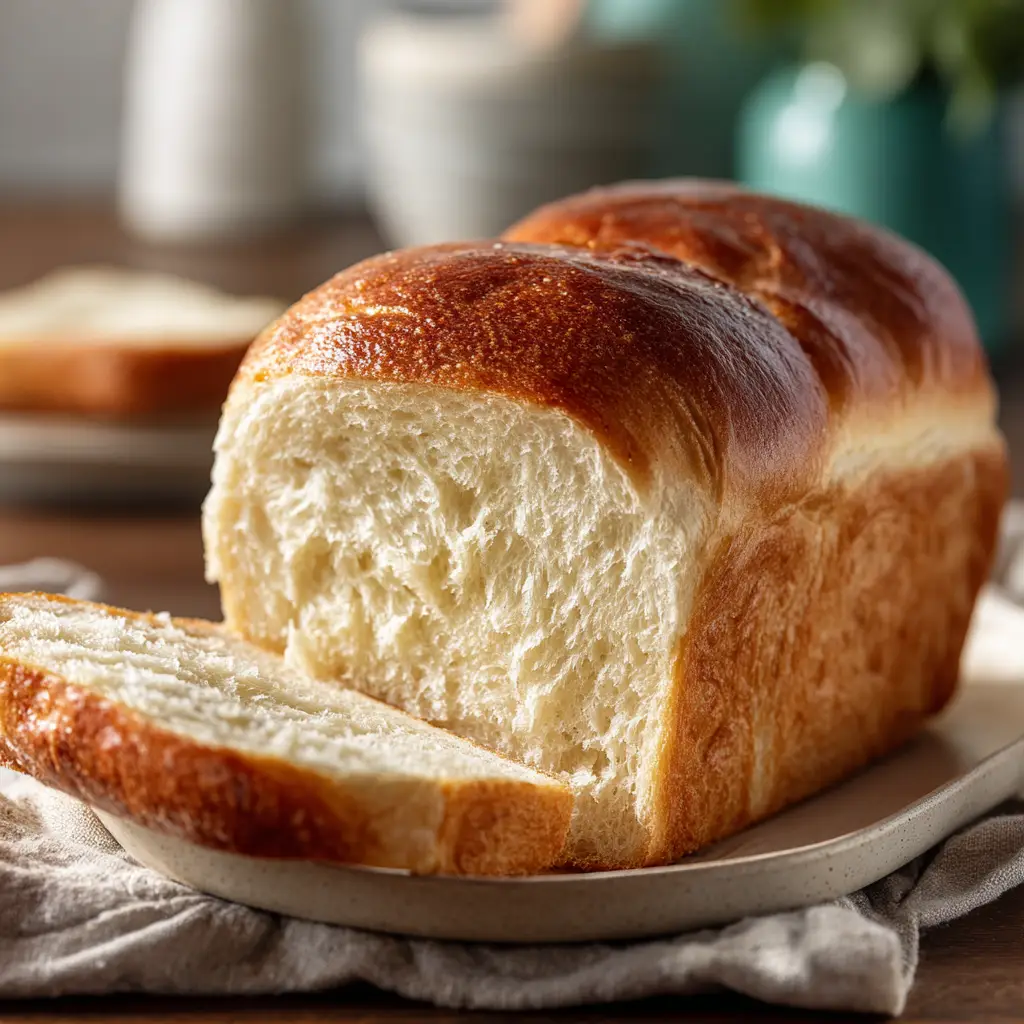
Preheat your oven to 350°F (175°C). Bake the loaf for 30-35 minutes, or until the top is a deep golden brown and the internal temperature reaches 190°F (88°C). A great way to check for doneness is to tap the bottom of the loaf—it should sound hollow.
Pro Tips for The Best Homemade Bread
A few simple tips can elevate your bread from good to great.
- Measure Flour Correctly: Don’t scoop flour directly from the bag with your measuring cup. Instead, fluff the flour with a spoon and then spoon it into your measuring cup before leveling it off. This prevents a dense, dry loaf.
- Don’t Kill the Yeast: Ensure your water and milk are warm, not hot. Water that is too hot can kill the yeast, and your bread won’t rise.
- Kneading is Key: Proper kneading develops the gluten that gives bread its structure. The dough should spring back when you press it lightly with a finger when it’s ready.
How to Store and Freeze Your Amish White Bread
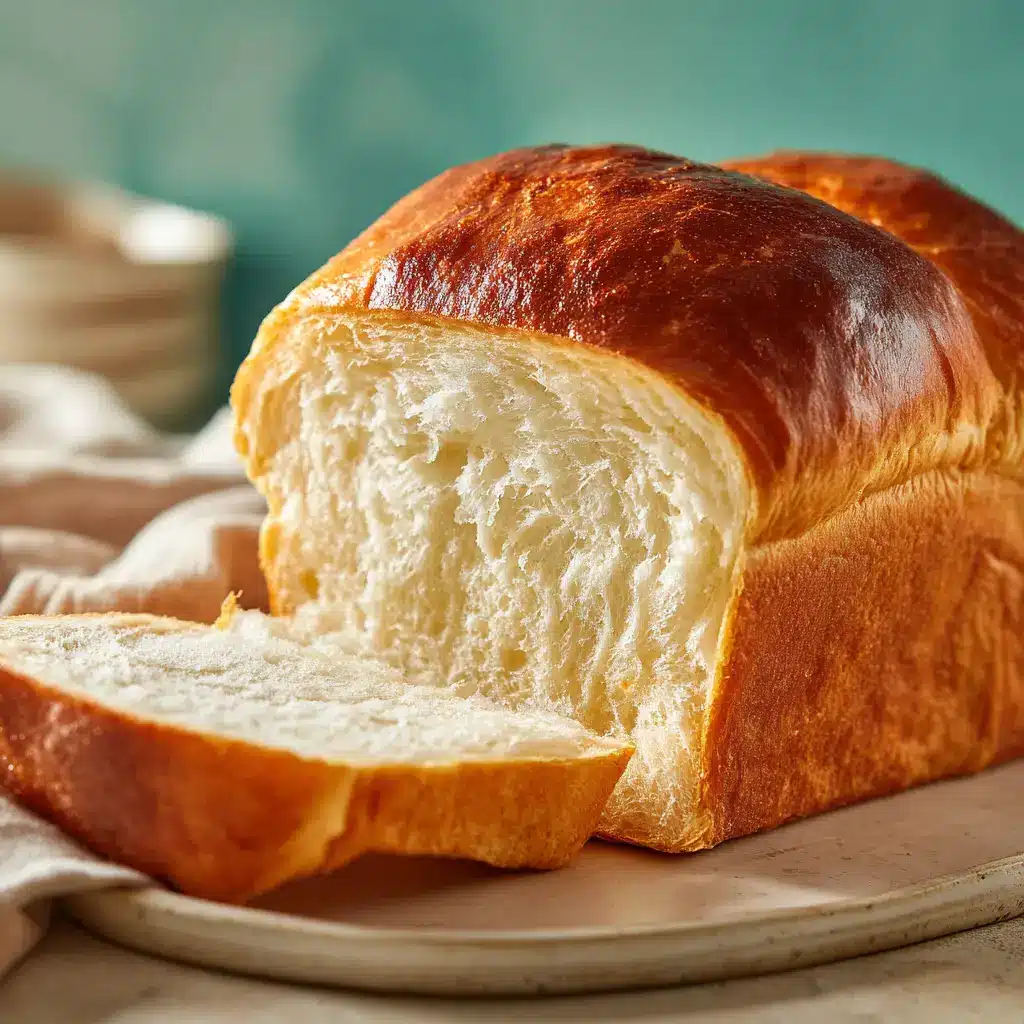
To keep your homemade bread fresh, store it in a bread box or a paper bag at room temperature for up to 3 days. Avoid the refrigerator, which can make it go stale faster. For longer storage, this bread freezes beautifully. Simply slice the cooled loaf, place it in a freezer-safe bag, and freeze for up to 3 months. You can pull out individual slices as needed!
What to Serve With Amish White Bread
This versatile bread is perfect for so many things. Toast it for breakfast, use it to build the perfect sandwich for lunch, or serve it alongside a hearty dinner. It’s especially delicious with a comforting bowl of Hearty Lentil Soup or used to soak up the amazing gravy from a classic Mississippi Pot Roast. It also makes an incredible base for Garlic Cheese Bombs as a tasty appetizer.
Frequently Asked Questions
Yes, you can adapt this recipe for a bread machine. Simply add the ingredients according to your manufacturer’s instructions (typically wet ingredients first, then dry) and use the ‘white bread’ or ‘basic’ setting.
The most reliable way is to use an instant-read thermometer—the internal temperature should be 190°F (88°C). You can also look for a deep golden-brown crust, and when you gently tap the bottom of the loaf, it should sound hollow.
Store the cooled loaf in a bread box or a sealed bag at room temperature for up to 3-4 days. For longer storage, slice the loaf and freeze it in a freezer-safe bag for up to 3 months.
Amish bread is typically richer and softer than standard white bread due to the use of milk and a higher sugar content. This gives it a tender crumb and a subtly sweet flavor that makes it unique.
Dense bread is often caused by a few things: using too much flour, not kneading the dough long enough to develop gluten, or using yeast that is old or inactive. Be sure to measure your flour correctly (spoon and level method) and check that your yeast is foamy and active before mixing.
Share Your Baking Success!
We are so excited for you to try this simple yet delicious Amish White Bread Recipe. There’s truly nothing better than a slice of warm, homemade bread. If you make this recipe, we’d love to see it! Share your creation and tag us on Pinterest. Happy baking!

Amish White Bread Recipe
Amish White Bread Recipe (The Easiest, Softest Loaf!)
Ingredients
Equipment
Instructions
- In a large mixing bowl, combine the warm water, yeast, and 1 tablespoon of the sugar. Stir gently and let it sit for 5-10 minutes until the mixture is foamy.
- To the yeast mixture, add the remaining sugar, salt, oil, and warm milk. Stir to combine. Gradually add the flour, one cup at a time, until a shaggy dough forms.
- Turn the dough onto a lightly floured surface and knead for 8-10 minutes until smooth and elastic. Alternatively, use a stand mixer with a dough hook for 6-8 minutes.
- Place the dough in a lightly oiled bowl, turning to coat. Cover with a towel and let rise in a warm place for 1-1.5 hours, or until doubled in size.
- Punch down the dough and shape it into a loaf. Place it in a greased 9x5 inch loaf pan. Cover and let it rise for another 30-45 minutes, until the dough is about 1 inch above the pan.
- Preheat oven to 350°F (175°C). Bake for 30-35 minutes, until the crust is deep golden brown and the internal temperature reaches 190°F (88°C).
- Let the bread cool in the pan for a few minutes before transferring it to a wire rack to cool completely before slicing.
Notes
Tip 2: Ensure your yeast is fresh for the best rise. Old yeast may not activate properly.
Tip 3: Slicing the bread while it's still warm can cause it to be gummy. Wait until it's fully cooled for the best texture.