Craving a delicious, noodle-filled dish that’s faster and tastier than your local takeout? This easy Chow Mein recipe is your answer. We’re talking perfectly crispy-yet-tender noodles, crisp vegetables, and a savory sauce that ties everything together. Forget the delivery fees and long waits; in less than 30 minutes, you can have a restaurant-quality meal right in your own kitchen. This is the ultimate one-pan wonder that your family will ask for again and again.
This simple yet authentic Chow Mein recipe delivers on flavor and speed, making it the perfect weeknight dinner. It’s a versatile dish that’s easy to customize with your favorite protein and veggies. Let’s get cooking!
What is Chow Mein?
Chow Mein is a classic Chinese stir-fried noodle dish. The name itself translates to “stir-fried noodles.” Unlike its cousin, Lo Mein, where boiled noodles are tossed with a sauce, Chow Mein involves frying the noodles until they are wonderfully crisp on the edges while remaining tender inside. This textural contrast is the hallmark of a truly great chow mein.
The dish typically includes a protein like chicken, beef, or shrimp, along with vegetables such as cabbage, carrots, and bean sprouts, all brought together with a rich and savory soy-based sauce.
The Key to an Authentic Chow Mein Recipe: The Noodles
The single most important ingredient for this dish is, without a doubt, the noodles. The right choice will make the difference between a good dish and a great one. You want noodles that can withstand high heat and crisp up beautifully.
Best Noodles for Chow Mein
- Steamed Chow Mein Noodles: Often found in the refrigerated section of Asian markets, these are the best choice for authentic texture. They are already cooked and just need to be quickly blanched or pan-fried.
- Dried Chow Mein Noodles: These are a great pantry-friendly option. Simply boil them according to package directions, but be careful not to overcook them. You want them al dente.
- Yakisoba or Ramen Noodles: If you can’t find chow mein noodles, fresh yakisoba or even blocks of instant ramen (without the seasoning packet) can work in a pinch.
For the ultimate crispy texture, ensure your noodles are dry before they hit the hot pan. After boiling, rinse them under cold water, drain them thoroughly, and toss with a bit of sesame oil to prevent sticking.
Crafting the Perfect Chow Mein Sauce
A great Chow Mein is defined by its sauce. This simple yet flavorful combination is what brings all the ingredients together into a harmonious dish. The goal is a sauce that’s savory, slightly sweet, and packed with umami. It should coat every strand of noodle and every piece of vegetable without making the dish soggy.
Sauce Ingredients
Our sauce is a perfectly balanced blend of a few key pantry staples. You’ll need soy sauce for that savory, salty base, a touch of sugar for balance, oyster sauce for deep umami flavor, sesame oil for its nutty aroma, and a bit of cornstarch to help it thicken and cling to the noodles. We’ll also add a little chicken broth to bring it all together. Simply whisk these ingredients together in a small bowl before you start cooking.
Essential Ingredients You’ll Need
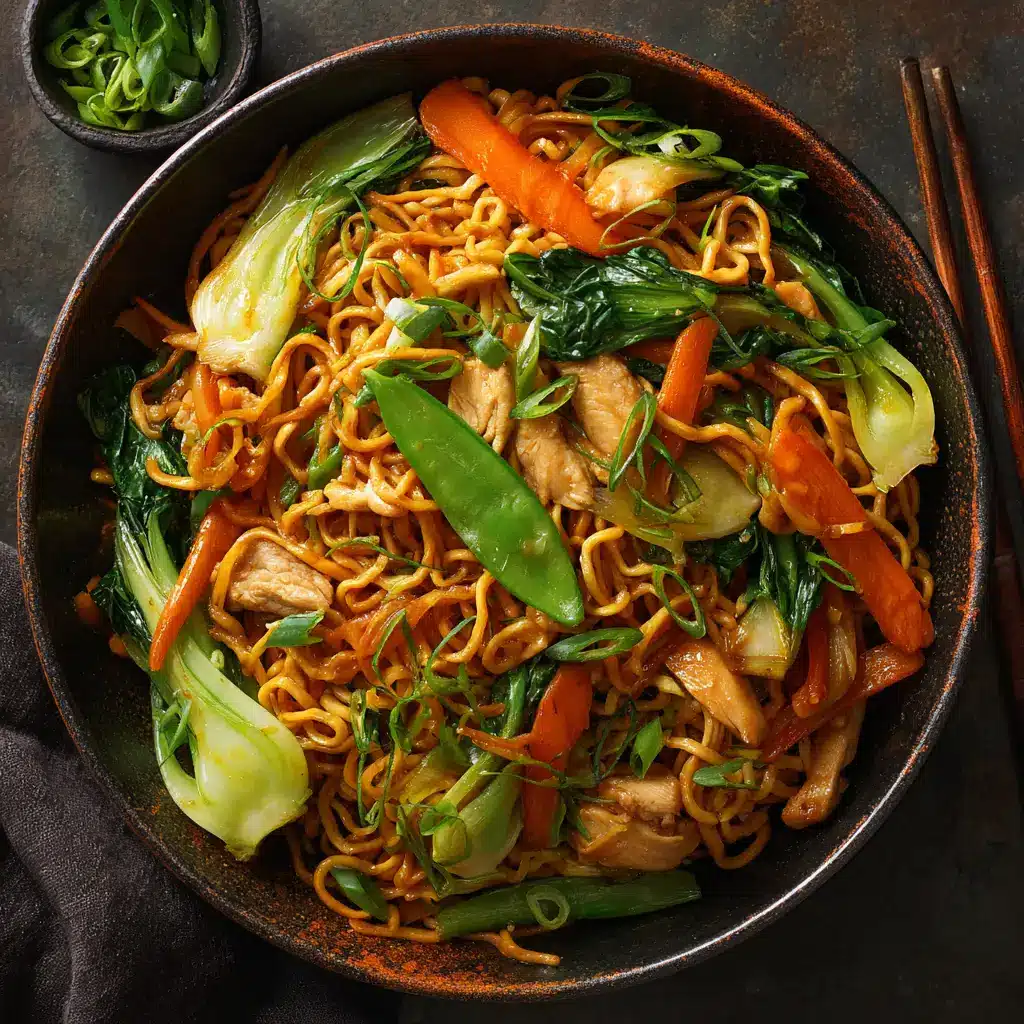
One of the best things about this homemade chow mein recipe is its flexibility. Think of this as a template. While we love the combination of chicken and classic veggies, you can easily swap ingredients based on what you have on hand. For another great one-pan meal, check out this amazing Tater Tot Casserole recipe.
For the Chicken and Marinade:
- Chicken Breast: Thinly sliced boneless, skinless chicken breast is perfect here.
- Soy Sauce & Cornstarch: This simple marinade helps to tenderize the chicken and give it a flavorful crust.
For the Stir-Fry:
- Aromatics: Fresh garlic and ginger are non-negotiable. They form the flavor base of the entire dish.
- Vegetables: We’re using a classic mix of shredded cabbage, julienned carrots, sliced celery, and fresh bean sprouts for crunch and flavor.
- Scallions: Also known as green onions, these add a mild, fresh oniony bite at the end.
How to Make Chow Mein: A Step-by-Step Guide
The secret to a successful stir-fry is preparation. Because the cooking process is so fast, you must have all your ingredients chopped, measured, and ready to go before you even turn on the stove. This is a classic kitchen practice called ‘mise en place’.
- Prepare the Noodles: Cook the chow mein noodles according to the package instructions until just al dente. Drain them well, rinse with cold water, and toss with 1 teaspoon of sesame oil to prevent sticking. Set aside.
- Make the Sauce: In a small bowl, whisk together the soy sauce, oyster sauce, sugar, sesame oil, chicken broth, and cornstarch. Set aside.
- Cook the Chicken: In a large wok or skillet over high heat, add a tablespoon of oil. Once shimmering, add the sliced chicken. Stir-fry for 3-4 minutes, until it’s cooked through and lightly browned. Remove the chicken from the wok and set it aside.
- Sauté Aromatics and Veggies: Add another tablespoon of oil to the wok. Add the minced garlic and ginger and cook for 30 seconds until fragrant. Add the carrots, cabbage, and celery. Stir-fry for 2-3 minutes until the vegetables are crisp-tender.
- Fry the Noodles: Push the vegetables to the side of the wok. Add the prepared noodles to the center in a single layer. Let them cook, undisturbed, for 2-3 minutes, until they start to brown and crisp up on the bottom.
- Combine and Serve: Add the cooked chicken back to the wok along with the bean sprouts and the prepared sauce. Toss everything together vigorously for 1-2 minutes until the sauce has thickened and everything is well-coated and heated through. Stir in the sliced scallions, give it one final toss, and serve immediately. For a different take on Asian flavors, you might also enjoy this Bang Bang Fried Rice.
Pro Tips for the Best Chow Mein Recipe
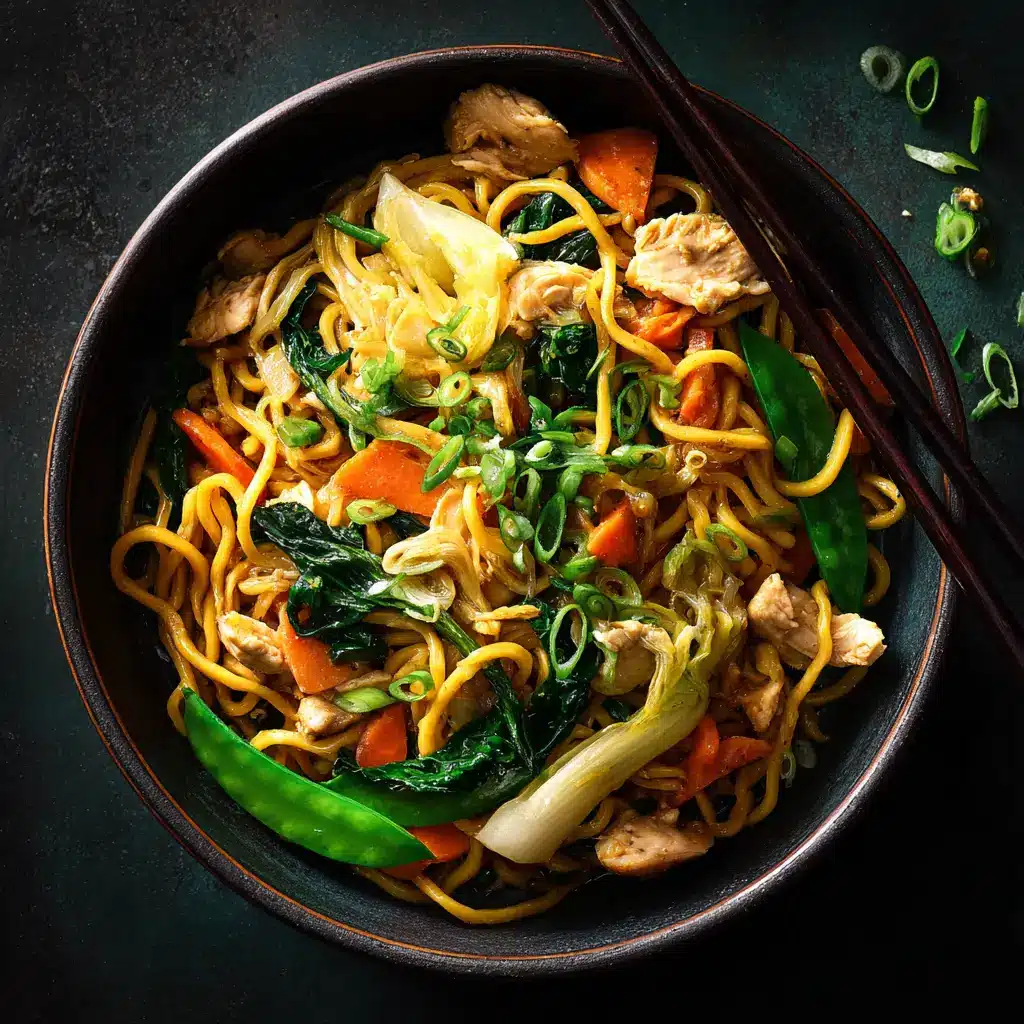
Mastering this dish is easy with a few key tips. Follow these simple rules, and you’ll get perfect results every time.
- Use High Heat: A hot wok or skillet is essential for getting that signature stir-fry flavor and texture. Don’t be afraid to turn up the heat!
- Don’t Overcrowd the Pan: Cook in batches if necessary. Overcrowding the pan will steam your ingredients instead of frying them, preventing that desirable crispy texture.
- Prep Everything First: As mentioned, the cooking process is incredibly fast. Have your vegetables chopped, sauce mixed, and protein sliced before you begin. If you’re looking for another quick dinner idea, these easy cheeseburger sliders are always a hit.
- Dry Noodles are Key: For maximum crispiness, make sure your cooked noodles are as dry as possible before adding them to the hot pan.
Delicious Chow Mein Variations
This recipe is incredibly adaptable. Feel free to customize it with your favorite ingredients.
- Beef Chow Mein: Swap the chicken for thinly sliced flank steak.
- Shrimp Chow Mein: Use raw, peeled, and deveined shrimp. Add them during the last couple of minutes of cooking, as they cook very quickly.
- Vegetable Chow Mein: Omit the protein and add more vegetables like broccoli florets, sliced bell peppers, or snow peas for a delicious vegetarian version.
- Spicy Chow Mein: Add a teaspoon of chili garlic sauce or a pinch of red pepper flakes to the sauce for a little kick.
Frequently Asked Questions
Absolutely! To make a vegetarian version, simply omit the chicken and replace it with firm tofu or a larger quantity and variety of vegetables like broccoli, bell peppers, snap peas, and mushrooms. Use vegetable broth instead of chicken broth in the sauce.
To prevent soggy noodles, ensure they are cooked only until al dente, then rinse them under cold water to stop the cooking process. Most importantly, make sure they are well-drained and as dry as possible before adding them to a very hot wok or skillet.
Homemade chow mein is generally much healthier than takeout versions because you control the ingredients. You can use low-sodium soy sauce, control the amount of oil, and pack it with fresh, crisp vegetables to increase its nutritional value.
The primary difference is the preparation of the noodles. In Chow Mein, the noodles are stir-fried until they are crispy. In Lo Mein, fully cooked noodles are simply tossed with a sauce and other ingredients, resulting in a softer texture.
The best noodles are either fresh (steamed) or dried chow mein noodles, which are specifically designed to crisp up when fried. If you can’t find them, yakisoba noodles or even instant ramen noodles (without the seasoning) can be used as a substitute.
Enjoy Your Homemade Masterpiece!
There you have it—a simple, delicious, and satisfying Chow Mein recipe that truly rivals any restaurant version. It’s the perfect dish for a busy weeknight when you want something comforting and incredibly flavorful without spending hours in the kitchen. We hope you love it as much as we do!
If you try this recipe, we’d love to see it! Share your creations and tag us. For more delicious meal ideas, be sure to follow us on Pinterest!
Chow Mein Recipe
Chow Mein Recipe (Better Than Takeout)
Ingredients
Equipment
Instructions
- Cook the chow mein noodles according to package directions until al dente. Drain, rinse under cold water to stop the cooking, and drain thoroughly. Toss with 1 teaspoon of sesame oil to prevent sticking.
- In a small bowl, prepare the sauce by whisking together the chicken broth, soy sauce, oyster sauce, sugar, 2 tsp sesame oil, and cornstarch. Set aside.
- Heat 1 tablespoon of vegetable oil in a large wok or skillet over high heat until shimmering. Add the sliced chicken and stir-fry for 3-4 minutes until golden and cooked through. Remove from the wok and set aside.
- Add the remaining 1 tablespoon of oil to the wok. Add the minced garlic and ginger and stir-fry for about 30 seconds until fragrant.
- Add the cabbage, carrots, and celery to the wok. Stir-fry for 2-3 minutes, until the vegetables are crisp-tender.
- Push the vegetables to the side. Add the drained noodles to the center of the wok in an even layer. Allow them to pan-fry, without moving, for 2-3 minutes to get them crispy on the bottom.
- Add the cooked chicken, bean sprouts, and the prepared sauce to the wok. Toss everything together to combine. Cook for 1-2 minutes, until the sauce thickens and coats all the ingredients.
- Remove from heat and stir in the sliced scallions. Serve immediately.
Notes
Variations: Swap chicken for thinly sliced beef, shrimp, or tofu. Add other vegetables like bell peppers or broccoli.
Storage: Store leftovers in an airtight container in the refrigerator for up to 3 days.