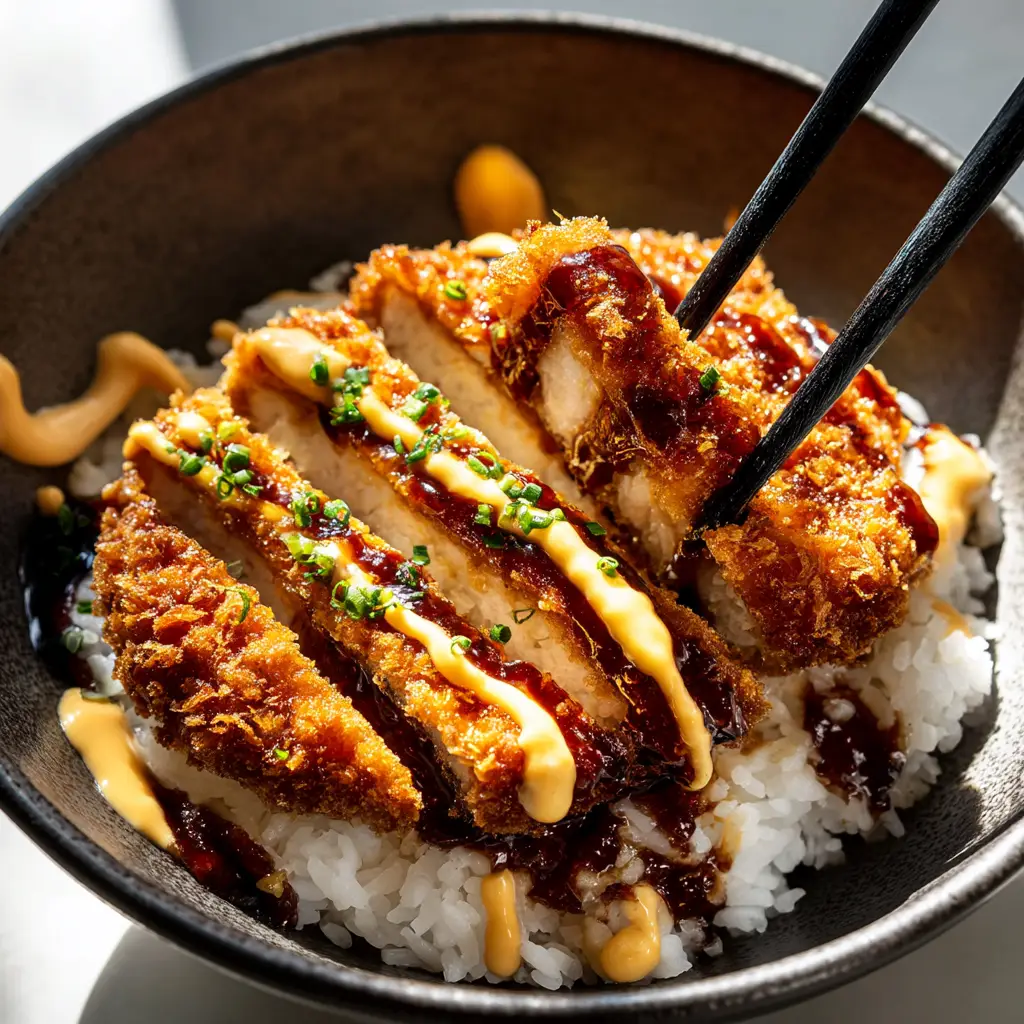
There are few dishes as comforting and deeply satisfying as a classic Japanese Katsu Bowl. Known traditionally as Katsudon, this dish features a perfectly crispy, juicy pork cutlet (Tonkatsu) simmered with sweet onions in a savory sauce, then bound together with a soft-cooked egg and served over a bed of fluffy steamed rice. It’s the kind of meal that warms you from the inside out. This recipe will show you exactly how to create a restaurant-quality version in your own kitchen.
Forget expensive takeout. Our guide breaks down every component, ensuring you achieve the crispiest pork and the most flavorful sauce, every single time. It’s a complete, one-bowl meal that hits all the right notes: savory, sweet, and rich with texture.
What is a Japanese Katsu Bowl? (Katsudon)
Katsudon (カツ丼) is a popular Japanese rice bowl dish, or “donburi.” The name is a combination of two words: “Tonkatsu,” which is the deep-fried pork cutlet, and “donburi,” which means rice bowl. At its heart, it’s a simple concept that delivers complex, satisfying flavors. The dish is a staple in Japanese homes and casual eateries, cherished for its comforting qualities and delicious taste.
Why You’ll Love This Katsu Bowl Recipe
- Incredibly Flavorful: The combination of the savory dashi, sweet mirin, and rich soy sauce creates a broth that perfectly complements the crispy pork.
- Amazing Texture: You get the satisfying crunch from the panko-crusted pork, the softness of the simmered egg and onions, and the fluffy foundation of rice.
- A Complete Meal: With protein, carbs, and vegetables all in one bowl, this dish is a well-rounded and filling meal perfect for lunch or dinner.
- Surprisingly Simple: While it seems impressive, the steps are straightforward and easy for home cooks to master.
The Key Components of a Perfect Katsu Bowl
Mastering a Japanese Katsu Bowl is about perfecting each of its core elements. When they all come together, the result is truly magical.
The Tonkatsu (Crispy Pork Cutlet)
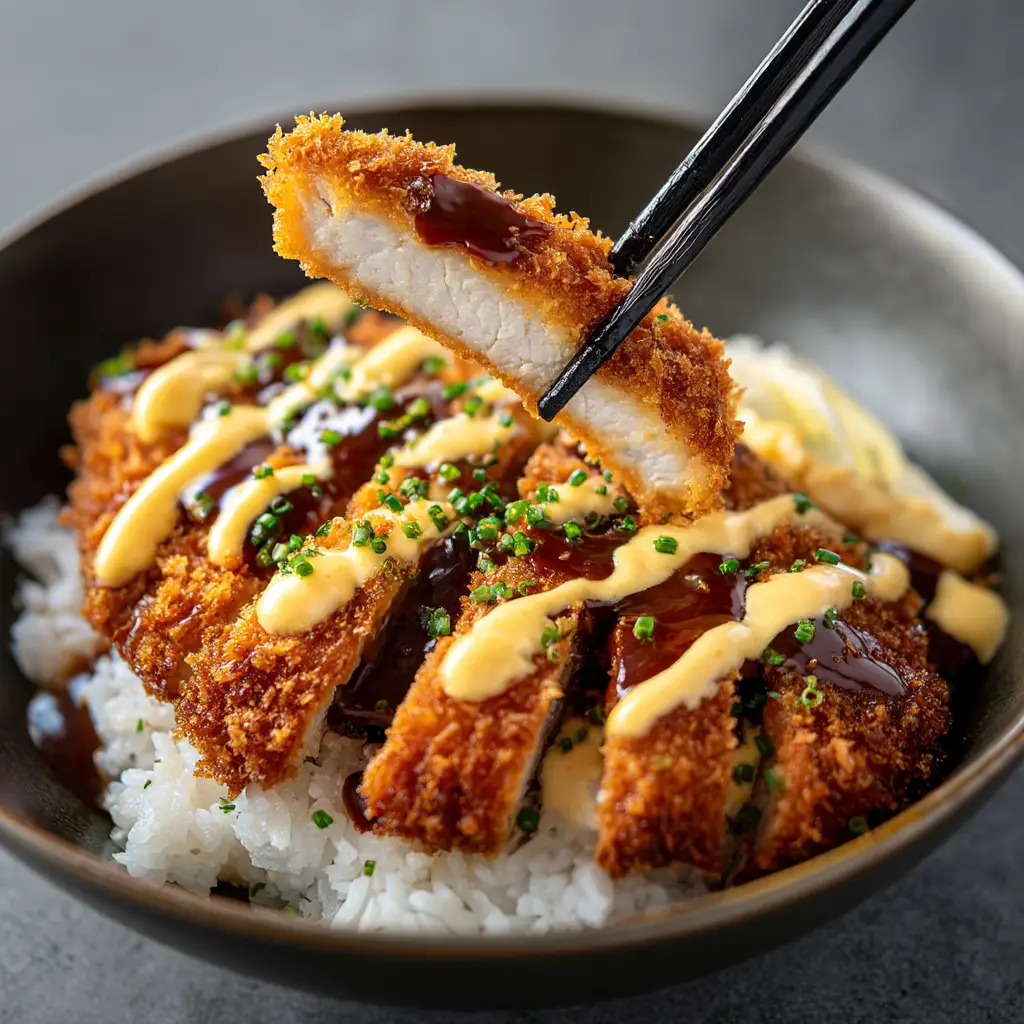
This is the star of the show. We use boneless pork chops, pounded thin for tenderness and quick cooking. The secret to an ultra-crispy crust is the three-step breading process: a light coating of flour, a dip in egg, and a generous press into coarse Japanese panko breadcrumbs.
The Savory-Sweet Sauce
The sauce, or “tsuyu,” is what brings the dish together. It’s a simple but potent mix of dashi (Japanese soup stock), soy sauce, mirin (sweet rice wine), and a touch of sugar. This mixture simmers with thinly sliced onions, infusing them with its incredible flavor.
The Fluffy Egg and Onions
Once the onions are tender, beaten egg is drizzled into the sauce. It cooks gently, creating soft, fluffy curds that envelop the katsu and onions, adding richness and a luscious texture to every bite.
The Steamed Rice
Never underestimate the importance of the rice! A high-quality, short-grain Japanese rice provides the perfect sticky and slightly sweet base to soak up all the delicious sauce.
Ingredients You’ll Need
This recipe uses simple, accessible ingredients. For the most authentic flavor, try to find Japanese staples like dashi, mirin, and panko at an Asian grocery store or in the international aisle of your supermarket.
- For the Tonkatsu: Boneless pork chops, all-purpose flour, egg, panko breadcrumbs, salt, black pepper, and a neutral oil for frying.
- For the Bowl: Dashi stock, soy sauce, mirin, sugar, a yellow onion, and large eggs.
- For Serving: Cooked short-grain Japanese rice and optional garnishes like scallions or toasted sesame seeds.
Step-by-Step Instructions
Follow these steps carefully for a flawless Japanese Katsu Bowl. The key is to have your ingredients prepped and ready to go, as the final assembly comes together quickly.
Step 1: Prepare the Tonkatsu (Pork Cutlets)
Pat the pork chops dry and season both sides with salt and pepper. To ensure they are extra tender, use a meat mallet to pound them to about ½-inch thickness. Set up three shallow dishes: one with flour, one with a beaten egg, and one with panko breadcrumbs. Dredge each pork cutlet first in the flour, then dip it into the egg, and finally, press it firmly into the panko, ensuring it’s fully coated. Heat about an inch of oil in a skillet over medium-high heat. Fry the pork for 3-4 minutes per side, until golden brown and cooked through. Transfer to a wire rack to drain.
Step 2: Make the Sauce and Simmer the Onions
While the pork rests, prepare the sauce. In a small skillet or saucepan, combine the dashi, soy sauce, mirin, and sugar. Bring the mixture to a simmer over medium heat. Add the thinly sliced onions and cook for 5-7 minutes, until they are soft and translucent.
Step 3: Cook the Egg
Once the pork has rested, slice it into ¾-inch strips. Place the strips over the simmering onions in the skillet. Lightly beat the eggs in a small bowl, then slowly drizzle them over the pork and onions. Cover the skillet and cook for 1-2 minutes, just until the egg is set but still slightly soft and jammy.
Step 4: Assemble Your Japanese Katsu Bowl
To serve, fill two bowls with hot steamed rice. Carefully slide the katsu, onion, and egg mixture from the skillet over the top of the rice, making sure to pour any remaining sauce over it. Garnish with sliced scallions and serve immediately.
Pro Tips for Restaurant-Quality Katsudon
- Use Panko Breadcrumbs: Do not substitute regular breadcrumbs. Japanese panko is lighter and flakier, which creates a much crispier crust that stays crunchy even after simmering in the sauce.
- Don’t Overcook the Pork: Pounding the pork thin helps it cook quickly. Keep a close eye on it to ensure it stays juicy and tender inside.
- Keep the Egg Soft: The beauty of katsudon is the luscious, slightly runny egg that mixes with the sauce and rice. Cook it just until the whites are set.
- Use a Good Quality Dashi: Whether you use instant granules or make it from scratch, a flavorful dashi stock is the backbone of the sauce.
Variations and Substitutions
While the classic pork version is fantastic, you can easily adapt this recipe.
Chicken Katsu Bowl
For a popular variation, simply substitute boneless, skinless chicken breasts for the pork. Pound them to an even thickness and follow the same breading and frying instructions.
Gluten-Free Options
To make this gluten-free, use a gluten-free all-purpose flour blend for dredging, gluten-free panko breadcrumbs, and tamari instead of soy sauce.
What to Serve with Your Katsu Bowl
Katsudon is a full meal on its own, but a few simple sides can round it out beautifully. A simple bowl of miso soup is a classic pairing. For a refreshing contrast, a crisp and light salad like this Cucumber and Sweet Pepper Salad adds a lovely crunch.
Storing and Reheating
Katsudon is best enjoyed immediately to preserve the crispiness of the pork. If you have leftovers, store them in an airtight container in the refrigerator for up to 2 days. Reheat gently in a saucepan over low heat or in the microwave. Note that the panko coating will soften upon refrigeration.
Frequently Asked Questions
Absolutely! Using chicken is a very popular variation called ‘Chicken Katsudon.’ Simply substitute a boneless, skinless chicken breast for the pork and follow the exact same steps for pounding, breading, and cooking.
The key is a three-step breading process. First, lightly coat the pork in flour, which gives the egg something to cling to. Next, dip it in the beaten egg. Finally, press it firmly into the panko breadcrumbs. Don’t skip any steps!
The sauce, or ‘tsuyu,’ is a simple and flavorful combination of dashi (Japanese soup stock), soy sauce, mirin (a sweet Japanese rice wine), and a small amount of sugar. It creates the perfect savory and slightly sweet flavor.
For the most authentic texture and flavor, use a Japanese short-grain rice. Its stickiness helps to soak up the sauce beautifully and makes it easy to eat with chopsticks. Calrose rice is a good, widely available alternative.
Tonkatsu is the deep-fried, panko-breaded pork cutlet itself. Katsudon is the name of the complete dish where the sliced Tonkatsu is simmered with egg and onions in a savory sauce and served over a bowl of rice.
More Delicious Recipes to Try
If you enjoyed this recipe, you might also love exploring other comforting and flavor-packed dishes. For something cheesy and satisfying, try this Easy Cheeseburger Casserole. If you’re in the mood for a creamy pasta dish, this Crack Chicken Penne is always a winner. And for dessert, you can’t go wrong with a show-stopping Pistachio Tiramisu.
Share Your Creations!
We hope you love this authentic Japanese Katsu Bowl recipe! It’s a dish that brings so much comfort and flavor to the table. If you make it, please leave a comment below and let us know how it turned out. We’d love for you to share your beautiful creations on Pinterest!
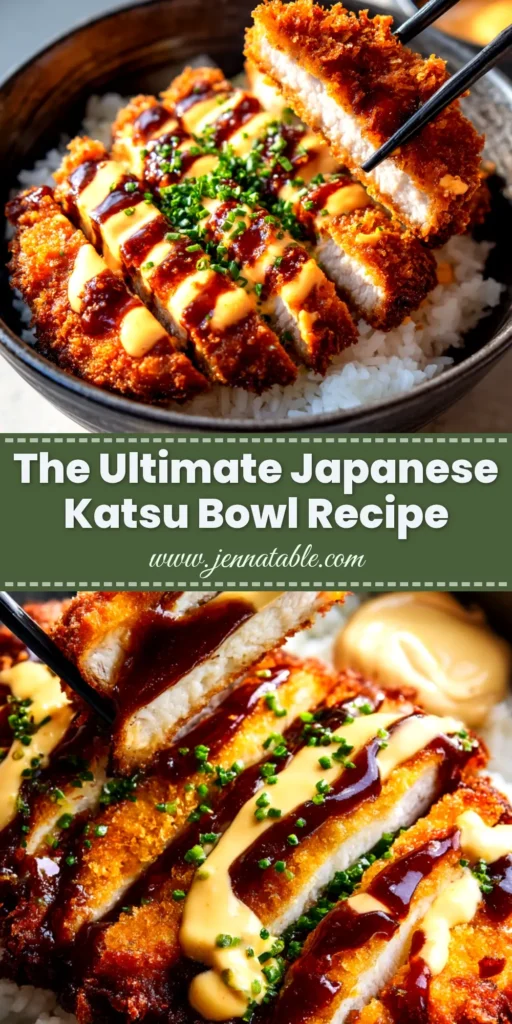
Japanese Katsu Bowl (Katsudon) Recipe
Japanese Katsu Bowl (Katsudon): The Ultimate Recipe
Ingredients
Equipment
Instructions
- Pat the pork chops dry and season with salt and pepper. Pound them to an even ½-inch thickness. Set up three shallow dishes for breading: one with flour, one with the beaten egg, and one with panko.
- Dredge each pork cutlet in flour, shake off excess, then dip in the egg, and finally press firmly into the panko breadcrumbs until fully coated.
- Heat oil in a large skillet over medium-high heat. Carefully place the breaded pork in the skillet and fry for 3-4 minutes per side, until golden brown and cooked through. Transfer to a wire rack to drain and rest.
- In a smaller skillet, combine dashi, soy sauce, mirin, and sugar. Bring to a simmer over medium heat. Add the sliced onions and cook for 5-7 minutes until softened.
- Slice the cooked tonkatsu into ¾-inch strips. Arrange the strips over the simmering onions. Drizzle the lightly beaten eggs over the pork. Cover and cook for 1-2 minutes until the eggs are just set but still soft.
- Divide the hot cooked rice between two bowls. Gently slide the katsu and egg mixture from the skillet on top of the rice. Pour any remaining sauce over the top. Garnish with chopped scallions and serve immediately.
Notes
Ensure your oil is hot before frying to prevent the cutlets from becoming greasy.
Don't overcook the egg; it should be soft and slightly jammy to create a luscious sauce.