Craving a quick, savory, and incredibly satisfying meal? Look no further than this authentic Yaki Udon recipe. In less than 30 minutes, you can whip up a restaurant-quality Japanese stir-fried noodle dish packed with rich, umami flavors. This recipe is perfect for busy weeknights, a comforting lunch, or anytime you need a delicious noodle fix. Let’s dive into how to create the perfect bowl of Yaki Udon right in your own kitchen.
This dish combines thick, chewy udon noodles with a savory-sweet sauce and your favorite protein and vegetables. It’s a versatile and forgiving recipe that’s sure to become a staple in your meal rotation. We’re breaking down everything you need to know, from the essential sauce ingredients to pro tips for getting that perfect stir-fry texture.
What is Yaki Udon?
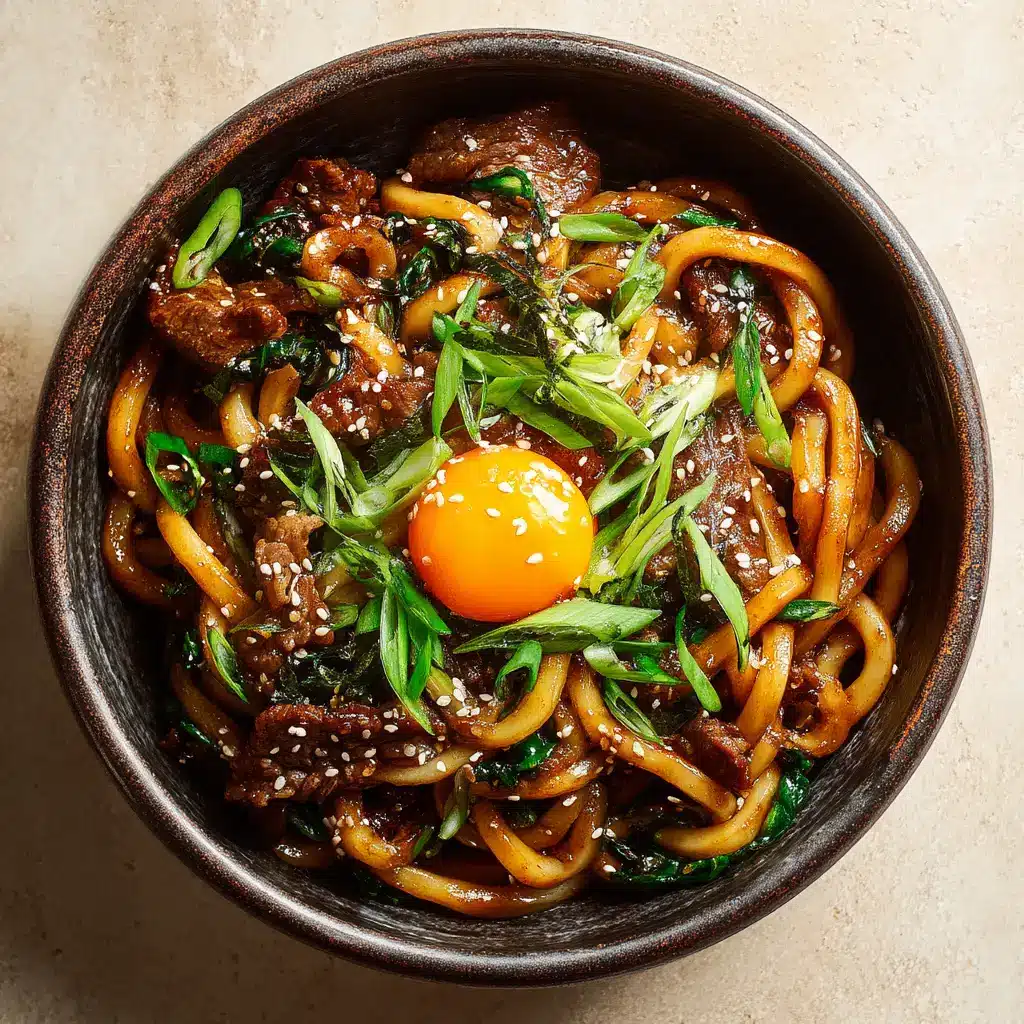
Yaki Udon is a popular Japanese stir-fried dish made with thick, wheat-flour udon noodles, a variety of vegetables, a protein source, and a distinctively savory and slightly sweet sauce. “Yaki” (焼き) means “to fry or grill” in Japanese, so the name literally translates to “fried udon.” Unlike noodle soups like ramen or other udon preparations, Yaki Udon is a dry noodle dish, characterized by its rich, caramelized sauce that clings to every strand of the chewy noodles.
It’s a staple of Japanese casual dining and is beloved for its incredible flavor and quick preparation time. The heart of the dish is the special Yaki Udon sauce, typically made from a base of soy sauce and mirin.
Key Ingredients for The Best Yaki Udon
The magic of this dish lies in its simple yet flavorful components. Here’s what you’ll need:
For the Yaki Udon Sauce:
- Soy Sauce: The savory, umami backbone of the sauce. Use a quality Japanese soy sauce like Kikkoman for the best flavor.
- Mirin: A sweet Japanese rice wine that adds a mild sweetness and beautiful glaze.
- Oyster Sauce: This adds a deep, savory, and complex flavor that is crucial for an authentic taste.
- Brown Sugar: A touch of brown sugar balances the saltiness and helps create a wonderful caramelized flavor.
- Sesame Oil: Toasted sesame oil provides a nutty, aromatic finish.
For the Stir-Fry:
- Udon Noodles: The star of the show! You can use frozen, vacuum-sealed, or dried udon noodles. Frozen is often the best choice as it provides the best chewy texture.
- Protein: Thinly sliced chicken, beef, or pork works wonderfully. Shrimp or even tofu are great options for variation.
- Vegetables: A colorful mix of vegetables adds texture and nutrients. We’re using onion, garlic, mushrooms, bok choy, and carrots. Feel free to use others like bell peppers or cabbage.
- Garnishes: Toasted sesame seeds and sliced green onions are classic toppings that add a final touch of freshness and texture.
How to Make Yaki Udon Step-by-Step
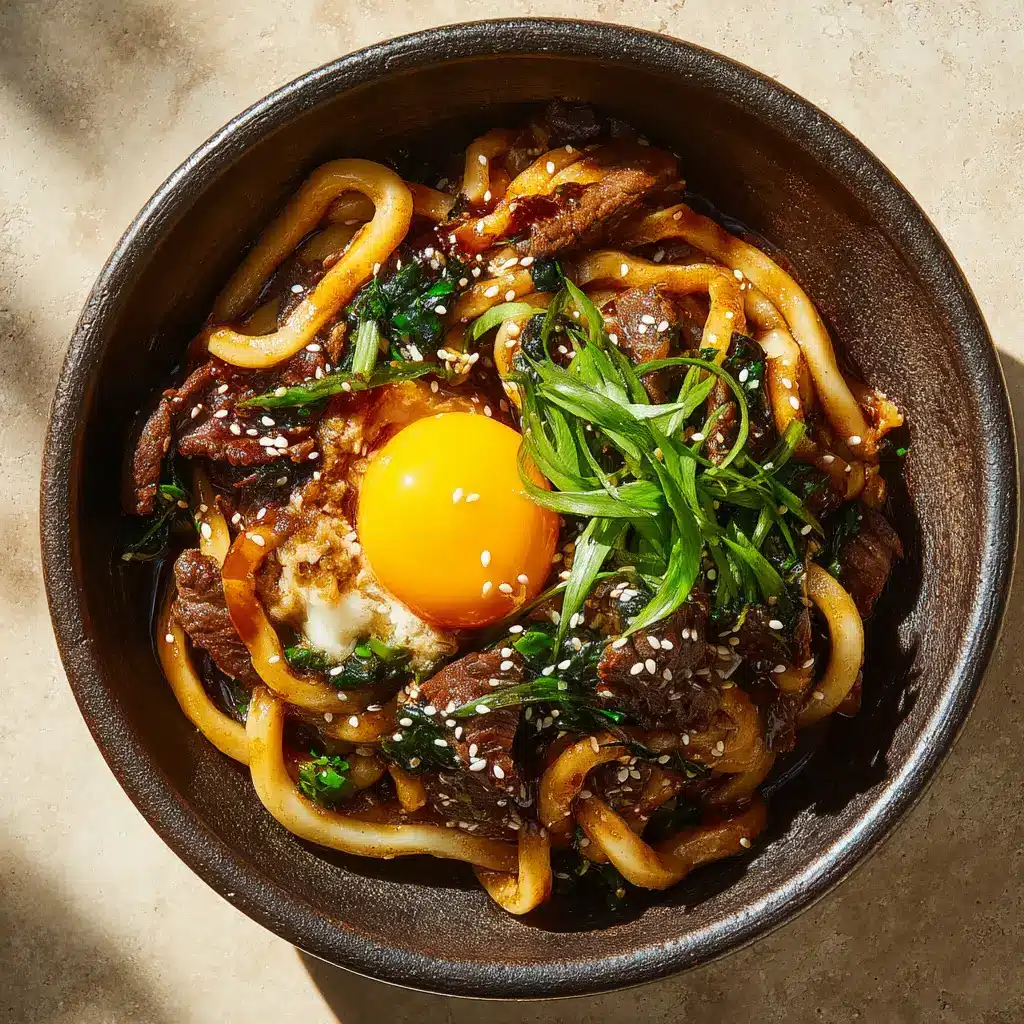
This simple Yaki Udon recipe comes together in just a few easy steps. We’ll start by mixing the sauce, then cook the noodles and stir-fry everything together. It’s that easy!
1. Prepare the Sauce and Noodles
First, combine all the sauce ingredients—soy sauce, mirin, oyster sauce, brown sugar, and sesame oil—in a small bowl. Whisk until the sugar is dissolved and set it aside. Next, cook the udon noodles according to the package instructions. Be careful not to overcook them; they should be just tender. Drain the noodles and rinse them briefly with cold water to stop the cooking process and prevent sticking.
2. Cook the Protein and Vegetables
Heat a large skillet or wok over medium-high heat with a neutral oil. Add your chosen protein and cook until it’s browned and cooked through. Remove it from the skillet and set it aside. Add the onions and garlic to the same skillet and sauté for a minute until fragrant. Then, add the firmer vegetables like carrots and mushrooms. Stir-fry for 3-4 minutes until they begin to soften.
3. Combine and Serve
Add the leafy greens like bok choy to the skillet and cook for another minute until wilted. Return the cooked protein to the skillet along with the cooked udon noodles. Pour the prepared Yaki Udon sauce over everything. Gently toss and stir-fry for 1-2 minutes, ensuring the noodles and all ingredients are evenly coated in the delicious sauce. Serve immediately, garnished with fresh green onions and toasted sesame seeds.
Tips for Perfect Stir-Fried Noodles
- Don’t Overcook the Noodles: Udon noodles can become mushy if overcooked. Cook them just until they are al dente, as they will cook a bit more in the skillet with the sauce.
- High Heat is Key: A hot wok or skillet is essential for getting a good sear on the ingredients and preventing them from steaming. This is how you develop that classic “wok hei” flavor. If you enjoy other stir-fried dishes, you might like this teriyaki chicken stir-fry recipe.
- Prep All Your Ingredients: Stir-frying is a fast process. Have all your vegetables chopped, your protein sliced, and your sauce mixed before you even turn on the stove. This makes the cooking process smooth and prevents burning.
- Customize Your Veggies: This recipe is a great way to use up whatever vegetables you have on hand. Cabbage, broccoli, snap peas, and bell peppers are all fantastic additions.
Yaki Udon Variations
One of the best things about Yaki Udon is how customizable it is. Here are a few ideas to try:
- Spicy Yaki Udon: Add a teaspoon of chili garlic sauce or a pinch of red pepper flakes to the sauce for a spicy kick.
- Seafood Yaki Udon: Use a combination of shrimp, scallops, and squid for a delicious seafood version.
- Vegetarian/Vegan Yaki Udon: Omit the protein and add firm tofu or edamame. Ensure you use a vegan oyster sauce substitute, often made from mushrooms. The complex flavors are reminiscent of other Asian-inspired dishes like this easy black pepper chicken.
- Beef Yaki Udon: Thinly sliced sirloin or flank steak makes for a rich and savory dish, similar in style to these Korean beef noodles.
What to Serve with Yaki Udon
Yaki Udon is a complete meal on its own, but if you want to serve it as part of a larger spread, it pairs well with simple sides like a crisp cucumber salad, steamed edamame, or a bowl of miso soup. These light accompaniments balance the rich, savory flavor of the noodles perfectly.
FAQs About Yaki Udon
Absolutely! To make it vegetarian, simply substitute the chicken with pan-fried firm tofu or edamame. For a vegan version, use a mushroom-based vegan ‘oyster’ sauce.
Store leftovers in an airtight container in the refrigerator for up to 3 days. Reheat in a skillet over medium heat with a splash of water to loosen the noodles, or in the microwave.
The main difference is the noodles. Yaki Udon is made with thick, chewy, wheat-based udon noodles, while Yakisoba is made with thinner, Chinese-style wheat noodles similar to ramen.
The sauce is a savory and sweet combination of Japanese soy sauce, mirin (sweet rice wine), oyster sauce for depth, and a little bit of sugar to balance the flavors. Toasted sesame oil is often added for aroma.
Frozen udon noodles are highly recommended as they tend to have the best chewy texture after cooking. You can usually find them in the freezer section of Asian grocery stores. Vacuum-sealed or dried udon noodles also work well.
Enjoy Your Homemade Yaki Udon!
With this simple recipe, you’re all set to create a delicious and satisfying bowl of Yaki Udon that rivals any Japanese restaurant. It’s fast, flavorful, and endlessly adaptable. Give it a try and let us know what you think in the comments below. For more recipe inspiration, be sure to follow us on Pinterest!
Yaki Udon Recipe
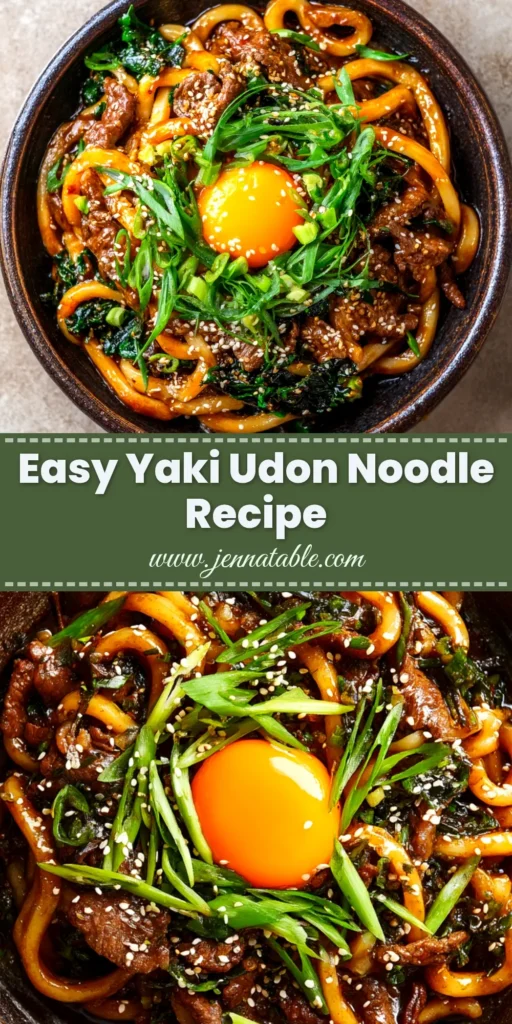
Yaki Udon: The Ultimate Recipe for Perfect Stir-Fried Noodles
Ingredients
Equipment
Instructions
- In a small bowl, whisk together the soy sauce, mirin, oyster sauce, brown sugar, and toasted sesame oil. Set aside.
- Cook the udon noodles according to package directions. Drain and rinse with cold water to prevent sticking. Set aside.
- Heat vegetable oil in a large skillet or wok over medium-high heat. Add the sliced chicken and cook until browned and cooked through. Remove from the skillet. Add the sliced onion and minced garlic, and sauté for 1 minute until fragrant.
- Add the sliced mushrooms and julienned carrots to the skillet. Stir-fry for 3-4 minutes until they begin to soften. Add the chopped bok choy and cook for another minute until just wilted.
- Return the cooked chicken to the skillet along with the cooked udon noodles. Pour the prepared sauce over everything. Toss gently to combine, cooking for 1-2 minutes until everything is heated through and well-coated. Serve immediately, garnished with sliced green onions and toasted sesame seeds.
Notes
Tip 2: Frozen udon noodles often provide the best texture. Simply boil them for 1-2 minutes directly from frozen.
Tip 3: Prep all your ingredients before you start cooking, as the stir-frying process is very fast.